Posted by admin | December 15, 2011
On Tuesday, our interview with blogger Steve Ploussard of “Attitude & Fitness Wins” revealed how one person is managing his Parkinson’s disease (PD). Today we take a closer look at this progressive neurological condition using the data and experiences shared by our 5,920 PD members.

Taking a look at the makeup of our PD community, 52% are male, and 48% are female. More than 98% identify PD as their primary condition, and just shy of 20% report experiencing their first symptom between the ages of 50 and 59. Others report experiencing their first symptom anywhere from adolescence to their seventies. (See the chart for a complete breakdown.) What exactly are the symptoms of this condition? Some of the most commonly reported include stiffness/spasticity, slowness, sexual dysfunction, memory problems, excessive daytime drowsiness and constipation.
As Steve’s interview revealed, Carbidopa-Levodopa (Sinemet) is one of the most commonly prescribed treatments for PD as it helps to control tremors, one of the most visible manifestations of the disease, and other movement dysfunctions. Currently, more than 1,698 members report taking this medication, and 300+ of them have submitted Sinemet treatment evaluations, which review the drug’s effectiveness, side effects, dosage, cost and more. Here’s what one patient writes about Sinemet on her evaluation: “I notice my leg limp and motivation to walk improves dramatically when it kicks in. The tremor is much less.”

Other commonly reported PD treatments include prescription medications such as Ropinirole (Requip), Pramipexole (Mirapex), Rasagiline (Azilect) and Amantadine; OTC supplements such as CoQ10; and surgical procedures such as Deep Brain Stimulation (DBS). Click on the treatment name to see the data we’ve amassed for each, including hundreds of treatment evaluations submitted by our patients.
This is just a sample of the wealth of experience and data to be found at PatientsLikeMe. Dive in today to learn more about PD.
1 Comment
Categories:
Parkinson's Disease, Research
Tags: | Tagged: age of first symptom, amantadine, Azilect, Carbidopa-Levodopa, constipation, CoQ10, cost, daytime drowsiness, DBS, deep brain stimulation, dosages, effectiveness, leg limp, Life with PD, memory problems, Mirapex, Parkinson's Disease, Parkinson's symptoms, Parkinson's treatments, Requip, sexual dysfunction, side effects, Sinemet, slowness, spasticity, stiffness, treatment evaluations, tremor, walking
Permalink
Posted by admin | June 11, 2011
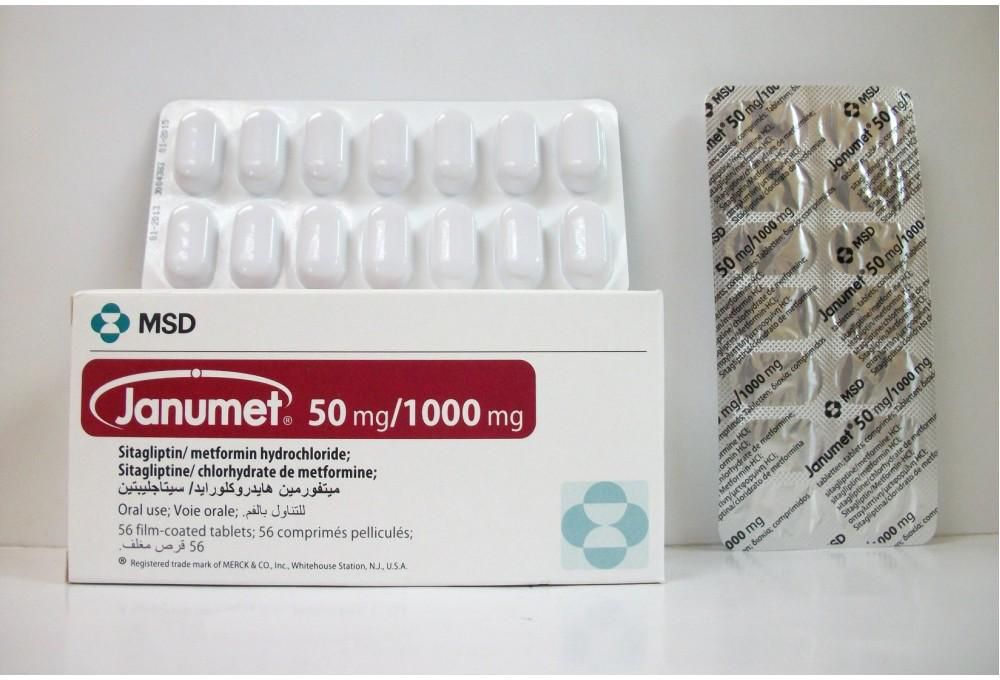
Janumet 50 1000 is the brand name (and dosage level) of sitagliptin-metformin, a combination prescription drug used in the management of type 2 diabetes. (50 refers to 50 mg of sitagliptin while 1000 refers to 1000 mg of metformin.) In addition to diet and exercise, Janumet 50 1000 is prescribed when the use of metformin or sitagliptin alone does not adequately control the condition.
At PatientsLikeMe, where more than 130,000 patients are sharing their experiences with conditions, symptoms, treatments and more, 21 patients report using Janumet 50 1000 or a lower daily dosage (50 mg sitagliptin / 500 mg metformin). What can we learn from these patients’ experiences? Quite a bit, actually, thanks to PatientsLikeMe’s unique data-sharing platform.
Looking at the three treatment evaluations submitted for Janumet, all three patients rate the effectiveness as “Moderate,” while side effects were marked as “Mild,” “Moderate” and “Severe,” respectively. The chief complaint from the patient who reported “Severe” side effects was diarrhea. However, she writes, “Blood sugars are going down.”
JOIN PATIENTSLIKEME TODAY
What about you? Have you taken Janumet 50 1000 or a different dosage of this combination diabetes medication? Join PatientsLikeMe and add your experiences to our growing body of knowledge. Then, stay to exchange advice and support, research common treatments and learn from other patients like you.

1 Comment
Categories:
Openness
Tags: | Tagged: blood sugar, combination diabetes drug, diabetes control, diabetes medication, diarrhea, dosage, effectiveness, janumet, janumet 50 1000, janumet 50 500, search series, side effects, sitagliptin-metformin, treatment evaluations, type 2 diabetes
Permalink
Posted by admin | May 28, 2011
Cinarizina is an international brand of the prescription drug Cinnarizine, an antiemetic (anti-nausea) agent used for symptoms of inner ear disorders. These symptoms may include vertigo, dizziness, tinnitus, nystagmus, nausea and vomiting. Cinarizina is also used to prevent motion sickness when taken in advance.
If you’ve tried Cinarizina, we encourage you share your experiences at PatientsLikeMe, where more than 130,000 patients are using our unique data-sharing platform to review all types of treatments, including prescription drugs, over-the-counter drugs and supplements. Our treatment evaluations cover important data points such as dosage, effectiveness, side effects, cost and adherence so that you can easily share and compare experiences with others.
Currently, one patient reports using Cinnarizine (the generic version of Cinarizina) to treat Meniere’s disease, which is characterized by a sudden onset of dizziness, low-frequency hearing loss, tinnitus and the sensation of fullness in the affected ear. This patient, a 55-year-old male taking 25mg daily, reports no side effects but rates the effectiveness as non-existent.
JOIN PATIENTSLIKEME TODAY
What about you? Have you taken Cinarizina or another brand of Cinnarizine? Join PatientsLikeMe and add your experiences to our growing body of knowledge. Then, stay to exchange advice and support, research common treatments and learn from other patients like you.

No Comments »
Categories:
Openness
Tags: | Tagged: anti-nausea, antiemetic, Cinarizina, Cinnarizine, dizziness, effectiveness, inner ear disorder, Meniere's disease, motion sickness, nystagmus, search series, side effects, tinnitus, vertigo, vomiting
Permalink
Posted by admin | May 21, 2011
Looking for a place to research or share your experiences with InterStim Therapy side effects? You’ve come to the right place. At PatientsLikeMe, more than 125,000 patients are sharing their experiences with all types of treatments, including prescription drugs, over-the-counter drugs, supplements and procedures.
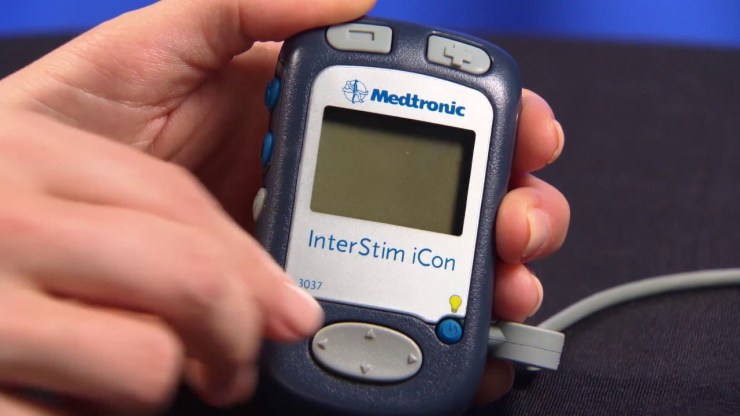
Manufactured by Medtronic, the InterStim Therapy System is surgically implanted device designed to help patients reduce the number of urinary and bowel accidents. It is FDA-approved for patients with urinary or fecal incontinence who have failed to respond to, or could not tolerate, more conservative treatments. How exactly does it work? An implanted neurostimulator delivers an electrical pulse to the sacral nerve, which controls the bladder and anal sphincter. This pulse is sent via a handheld programmer.
During the clinical trial that found InterStim Therapy could reduce bowel accidents by half (and in some patients, restore full continence of bowel movements), reported InterStim Therapy side effects included infection, pain at the site, “pins and needles” and the neurostimulator breaking through the skin. But what about in the real world? That’s where PatientsLikeMe comes into play.
According to the six treatment evaluations of InterStim Therapy submitted by PatientsLikeMe members (10 of whom currently report using the device), reported side effects included “bladder problems,” “annoying sensation” and “bowel incontinence.” Three patients rated the side effects as “Mild,” while three others reported no side effects.
Curious to hear more? Here’s what three patients, all of whom report multiple sclerosis (MS) as their primary condition, had to say in the freeform section of their evaluation:
- “It has helped me! Aside from the surgery pain and the seizure I endured, I would have it implanted again.”
- “Taking the InterStim was an act of desperation. I was about twenty when my bladder started to fail. The leaking and frequency still continue to be a problem.”
- “The impact this device has had on my daily life is incredible. I truly feel this is the best thing I could ever have done for myself and my MS symptoms.”
JOIN PATIENTSLIKEME TODAY
Have you been implanted with an InterStim Therapy device? Join PatientsLikeMe and add your experiences with InterStim effectiveness, side effects and more to our growing body of knowledge. Then, stay to exchange advice and support, research common treatments and learn from other patients like you.

1 Comment
Categories:
Openness
Tags: | Tagged: bladder accidents, bladder incontinence, bladder problems, bowel accidents, bowel problems, effectiveness, fecal incontinence, InterStim, InterStim therapy, InterStim Therapy side effects, multiple sclerosis, neurostimulator, patient evaluations, sacral nerve, search series, surgery, surgically implanted device
Permalink
Posted by admin | May 14, 2011
Introduced in 1934 by Standard Process, Cataplex F is a whole food dietary supplement designed to support the thyroid as well as the body’s natural response to inflammation. Containing iodine for thyroid support, Cataplex F promotes healthy skin and hair, the metabolism of fats and the formation of eicosanoids (signaling molecules that play a role in inflammation, immune responses and the central nervous system). This supplement also contains flaxseed, a natural source of Omega-3 fatty acid precursors.
At PatientsLikeMe, where more than 125,000 patients are sharing their experiences with all types of treatments including prescription drugs, over-the-counter drugs and supplements, two patients report taking Cataplex F for hypothyroidism. Both report taking this supplement for 1-2 years or more. What can we learn from these patients’ experiences? According to the one treatment evaluation submitted for Cataplex F, there were no reported side effects, but the effectiveness was unclear, as the patient selected the option, “Can’t tell.” Cost was reported as $25 or less per month for a daily dosage.
This patient even goes on to share her doctor’s take: “dubious.” But what about you? How would you evaluate your experience with Cataplex F? Has it helped you or seemingly had no effect? Help others decide whether to start – or continue – taking this supplement by sharing your experiences at PatientsLikeMe, where more than 2,300 patients with hypothyroidism (92% female; 8% male) would love to hear your thoughts.
JOIN PATIENTSLIKEME TODAY
Have you taken Cataplex F or another over-the-counter supplement for hypothyroidism? Join PatientsLikeMe and add your experiences to our growing body of knowledge. Then, stay to exchange advice and support, research common treatments and learn from other patients like you.

No Comments »
Categories:
Openness
Tags: | Tagged: Cataplex F, dietary supplement, effectiveness, eicosanoids, fat metabolism, Flaxseed, hair, hypothyroidism, inflammation, iodine, search series, skin, thyroid problems, thyroid support, whole food supplement
Permalink
Posted by admin | May 7, 2011
Is InflammaCORE helpful in reducing a chronic inflammatory burden? Can it alleviate bowel irritability? Find out just that by sharing your experiences with other patients at PatientsLikeMe and learning what they have to say about this nutritional supplement.
A protein powder drink mix, InflammaCORE is marketed as a potent way to support your gastrointestinal, cardiovascular and immune health. It contains 19 grams of naturally complete brown rice protein, 4 grams of fiber and Omega 3’s derived from Flaxseed. In addition, InflammaCORE offers high-potency phytonutrients, including Turmeric, Guercetin and Green Tea, which have been shown to reduce inflammatory markers. Other ingredients include L-Glutamine and Glycine to promote tissue repair as well as Vitamin D and Arabinogalactan for proper immune function.
At PatientsLikeMe, where more than 125,000 patients are sharing their experiences with all types of treatments including prescription drugs, over-the-counter drugs and supplements, one patient currently reports taking InflammaCORE for bowel irritability. What can we learn from her experience? In her in-depth treatment evaluation, she rates the effectiveness as “Major,” and the side effects as “None.” Her daily dosage is “8 tbsp daily,” while her monthly cost is “$50-99.”
Here’s what else she reports in the freeform section of her evaluation:
“This course of treatment relieved a long history of IBS symptoms and chronic constipation. As of a year later, the symptoms have not recurred. I credit InflammaCORE with resolving this condition and I couldn’t be happier with the product.”
JOIN PATIENTSLIKEME TODAY
What about you? Have you taken InflammaCORE or another dietary supplement to address irritable bowel or systemic inflammation? Join PatientsLikeMe and add your experiences to our growing body of knowledge. Then, stay to exchange advice and support, research common treatments and learn from other patients like you.

1 Comment
Categories:
Openness
Tags: | Tagged: bowel irritability, constipation, daily dosage, effectiveness, Flaxseed, gastrointestinal health, Green Tea, Guercetin, IBS, immune function, InflammaCORE, inflammation, irritable bowel, monthly cost, protein powder drink mix, search series, side effects, supplement, Turmeric
Permalink
Posted by admin | March 13, 2011
Looking for a place to share and learn about Catalyn side effects – either the side effects you experienced while taking this supplement or the lack thereof? You’ve come to the right place.
Catalyn is a multivitamin, mineral and trace mineral concentrate that contains Vitamin B6, Riboflavin, Thiamine, Vitamin D, Vitamin C, Vitamin A and a proprietary blend of whole food ingredients. Created by Dr. Royal Lee in 1929, Catalyn is the flagship product of Standard Process, which specializes in whole food supplements. Using a high-vacuum, low-temperature drying process, the idea behind Catalyn is to provide nutrients and vitamins in their most potent and bioavailable form – the natural state.
At PatientsLikeMe, where more than 120,000 patients are sharing their experiences with conditions, symptoms, treatments and more, only one patient reports taking Catalyn as a daily supplement for general health. Given the longevity of this 82-year-old product, which is designed to address vitamin deficiencies without “mega doses,” we know there are many others who may have used Catalyn as an over-the-counter treatment. Did you find it effective? Were there any side effects? What dosage did you take?
If you’ve used Catalyn, we encourage you to share these types of experiences and more to help other patients. PatientsLikeMe’s unique data-sharing platform allows you to share detailed data about all types of treatments, interventions and lifestyle modifications that have helped you, harmed you or simply had no effect.
JOIN PATIENTSLIKEME TODAY
Join PatientsLikeMe and add your experiences with Catalyn side effects, effectiveness, cost, dosage and more to our growing body of knowledge. Then, stay to exchange advice, research common treatments and learn from other patients like you.

No Comments »
Categories:
Openness
Tags: | Tagged: bioavailable form, catalyn, catalyn side effects, dosage, Dr. Royal Lee, effectiveness, high-vacuum, low-temperature, multivitamin, search series, Standard Process, whole food supplement
Permalink
Posted by admin | February 26, 2011
Used to treat dry, sensitive skin as well as eczema and itching, cetomacrogol cream FNA is a mitigating and protective skin cream. It contains cetomacrogol (an emulsifying agent), cetiol (a fast-spreading dry emollient), sorbitol (a humectant and texturizing agent), water and the preservative sorbic acid.
At PatientsLikeMe, where more than 120,000 patients are sharing their experiences with conditions, symptoms, treatments and more, over 700 patients report dry skin. The majority rate this symptom as either “moderate” (35%) or “severe” (17%). Primary conditions representing include everything from fibromyalgia to depression, showing that this uncomfortable symptom affects all different types of patients.
Only one member currently reports using cetomacrogol cream for dry skin. Her treatment evaluation of cetomacrogol cream, which she rates as “moderately” effective, notes that “a little bit seemed to go a long way” and that she also used the cream as a facial moisturizer prior to makeup application. However, she discontinued it after a year and a half of use.
If you’ve tried cetomacrogol cream or another therapeutic skin lotion, we encourage you to share your experiences to help other patients. PatientsLikeMe’s unique data-sharing platform allows you to share detailed data about all types of treatments, interventions and lifestyle modifications that have helped you or simply had no effect.
JOIN PATIENTSLIKEME TODAY
Join PatientsLikeMe and add your experiences to our growing body of knowledge. Then, stay to exchange advice and support, research common treatments and learn from other patients like you.

1 Comment
Categories:
Openness
Tags: | Tagged: cetomacrogol cream, cetomacrogol creme, dry skin, eczema, effectiveness, facial moisturizer, protective skin cream, search series, sensitive skin, side effects, therapeutic skin lotion
Permalink
Posted by admin | February 19, 2011
Asthmanex is a brand name for the anti-inflammatory agent mometasone furoate, a corticosteroid used in various formulations (inhaler, intranasal spray or topical ointment) for the treatment of asthma and allergic rhinitis as well as inflammatory skin disorders such as eczema and psoriasis.
A prescription inhalant drug marketed by Schering-Plough, Asthmanex – which is available as a “twisthaler” – is approved for the maintenance treatment of asthma in patients four years of age and older. A dosage of 110mcg is approved for patients age four to 11, while a dosage of 220mcg is approved for patients age 12 and older. Asthmanex is not indicated for the rescue treatment of sudden, severe asthma symptoms.
At PatientsLikeMe, where more than 120,000 patients are sharing their experiences with conditions, symptoms, treatments and more, three patients report using Asthmanex while 27 patients report using a formulation of mometasone. What can we learn from these patients’ experiences? Quite a bit, actually, thanks to PatientsLikeMe’s unique data-sharing platform. For example, the most commonly reported mometasone duration amongst current users is two years or more, while the top reasons for discontinuing the mediation include doctors’ advice, expense and “it did not seem to work.”
Wondering about side effects? Only one patient ranked the side effects as “mild,” while zero patients reported having “moderate” or “severe” side effects. Check out the three treatment evaluations of Asthmanex and eight treatment evaluations of mometasone submitted by our patients to gain even more insight.
JOIN PATIENTSLIKEME TODAY
Have you taken Asthmanex – or another form of mometasone? Join PatientsLikeMe and add your experiences to our growing body of knowledge. Then, stay to exchange advice and support, research common treatments and learn from other patients like you.

No Comments »
Categories:
Openness
Tags: | Tagged: 110mcg, 220mcg, allergic rhinitis, anti-inflammatory agent, asthma, Asthmanex, common duration, corticosteriod, eczema, effectiveness, inhalant drug, mometasone furoate, psoriasis, reasons for discontinuing, search series, side effects, twisthaler
Permalink