
How Would You Evaluate Your Experience with Muscadol?

Posted by amorton | March 6, 2011

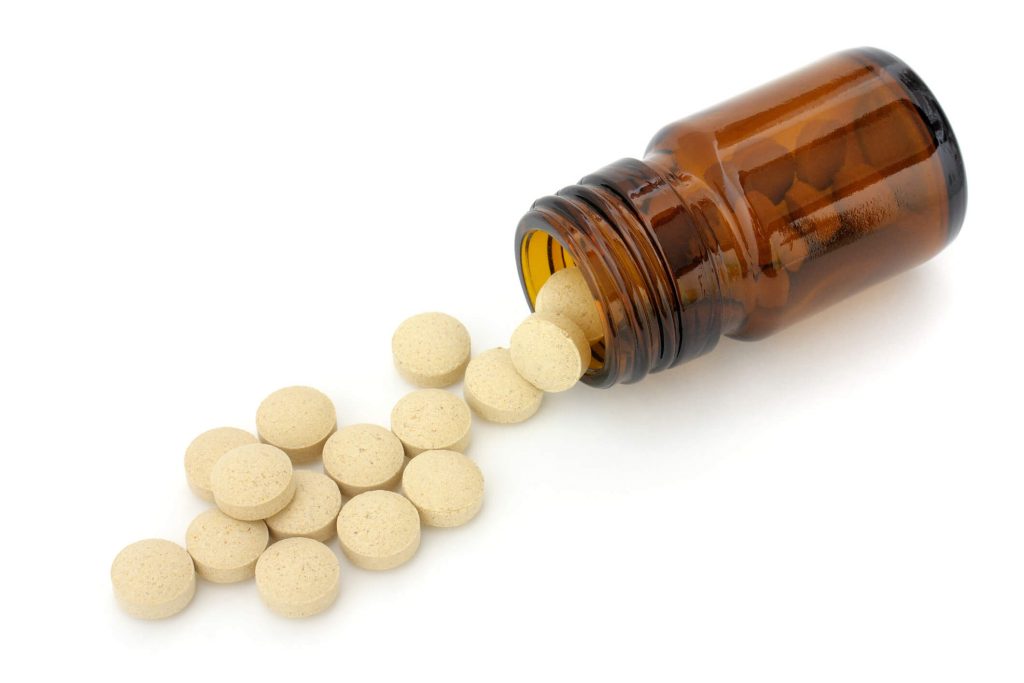
Muscadol is an international brand of medication that combines acetaminophen, a widely used analgesic (pain reliever), with orphenadrine citrate, a skeletal muscle relaxant. It is used in the treatment of muscle spasm and tremors associated with various musculoskeletal conditions.

At PatientsLikeMe, where more than 120,000 patients are sharing their experiences with conditions, symptoms, treatments and more, only one patient reports using Muscadol in a dosage of “100 mg as needed.”  Given the prevalence of musculoskeletal conditions – including fibromyalgia, sciatica and herniated disc disorder – we know there are many others who may have tried Muscadol to relieve their symptoms.

If you’ve been prescribed Muscadol or another anti-spasm/anti-tremor muscle relaxant, we encourage you to share your experiences (including side effects, dosage, effectiveness, cost and more) to help other patients.  PatientsLikeMe’s unique data-sharing platform allows you to share detailed data about all types of treatments, interventions and lifestyle modifications that have helped you or simply had no effect.

JOIN PATIENTSLIKEME TODAY

Have you taken MuscadolJoin PatientsLikeMe and add your experiences to our growing body of knowledge.  Then, stay to exchange advice and support, research common treatments and learn from other patients like you.

Join PatientsLikeMe

Learn from Others with BVVP (Positional Vertigo)

Posted by admin | March 5, 2011

BVVP (more commonly abbreviated as BPPV) stands for benign paroxysmal positional vertigo.  A disorder caused by inner ear problems, it is characterized by repeated episodes of positional vertigo that are triggered by repositioning or moving the head.  This produces a spinning sensation that disorients the BVVP/BPPV patient.

At PatientsLikeMe, where more than 120,000 patients are sharing their experiences with conditions, symptoms, treatments and more, 44 patients report experiencing BVVP, with 22 of them officially diagnosed and 5 of them indicating that it’s their primary health condition.  To give you further insight into this community, the most common age bracket reported is 40 - 49 years of age, and 76% of our BVVP patients are female.

What treatments have PatientsLikeMe members tried for BVVP/BPPV?  The most commonly reported treatment is the Epley Maneuver, a non-invasive outpatient procedure developed by Dr. John Epley that involves holding a position that triggers vertigo until the vertigo subsides.  Here’s how one patient evaluates this procedure.

“The Epley Maneuver is done in the office, under the care of a professional. It is no fun, at all! I did NOT enjoy it! I survived it on two separate occasions. It doesn’t seem to have helped my problem.  In between my Epley’s, I was to vibrate my head with a personal massager, above the affected ear, twice a day for three days. And then the Epley was repeated. Like I said, it didn’t work. And I did that that for six days, my head was so sore! It was better, but I still can’t drive, I get dizzy and I fall over.”

If you’ve tried the Epley Maneuver or another treatment for BVVP/BPPV, we encourage you to share your experiences to help other patients.  PatientsLikeMe’s unique data-sharing platform allows you to share detailed data about all types of treatments, interventions and lifestyle modifications that have helped you or simply had no effect.

JOIN PATIENTSLIKEME TODAY

Join PatientsLikeMe and add your experiences to our growing body of knowledge.  Then, stay to exchange advice and support, research common treatments and learn from other patients like you.

Join PatientsLikeMe

Patient Choices: The Deciding Factors

Posted by admin | March 2, 2011

screen-shot-2011-03-01-at-45607-pmIn a recent series on patient choices, we’ve highlighted a lot of the decisions patients like you have to make on a daily basis.  A few weeks ago, David S. Williams kicked off the series with a blog about the treatment and career decisions that patients like you, and his mother, have made.  Kate Brigham then highlighted examples of the social and emotional tradeoffs you make every day.  Last week, we published the results of a recent patient poll where more than 4,000 of you answered questions about the choices you’ve made to tell (or not tell) others about your diagnosis.  (See “Patient Choices: The Shape of Sharing” and “Patient Choices:  How Open Are You Now?“)

Today, we continue the series by highlighting examples of the choices patients like you have made in the past twelve months (pulled from 2010 newsletter interviews).


Patient Choices About…

Being Open

“I decided to make my profile public with the hope that something I have experienced, have done, or could say may help someone else along the way. Because my family seems to still live with the stigma of HIV/AIDS and prefer I don’t allow others close to our family to know of my status, I guess maybe in a way it is my subconscious defiance to my family’s fears.” - memyselfandHIV

Staying Active

“I imagine that by running the races I do, and talking to people about the benefits of a healthy and active lifestyle, that I might motivate a few people to become more active themselves. I mostly want people who like me have MS, but are still capable of being active, to know that it might help their symptoms and make them more comfortable.” - Ramilla

Making Lifestyle Changes

“I can’t drive under no means because where I live you need to be seizure-free for five years and I never am. So that’s a challenge having to depend on people or public transportation. Plus, where I work my co-workers aren’t as understanding as people were when I was a child.”  - Blueeyedgoddezz

Tackling Challenges

“My biggest challenge of late has been to deal with my newly diagnosed diabetes. I am fortunate, because it was discovered in the early stages, so I’m doing quite well controlling my glucose levels. I’m learning to accept that there will be some high readings, rather than stressing over them, since my doctor is very pleased with my progress.” - Dirty Butter

Retiring

An interview with AlwaysLearning on her choice to retire from teaching.


What choices have you made lately?

PatientsLikeMe member Emma